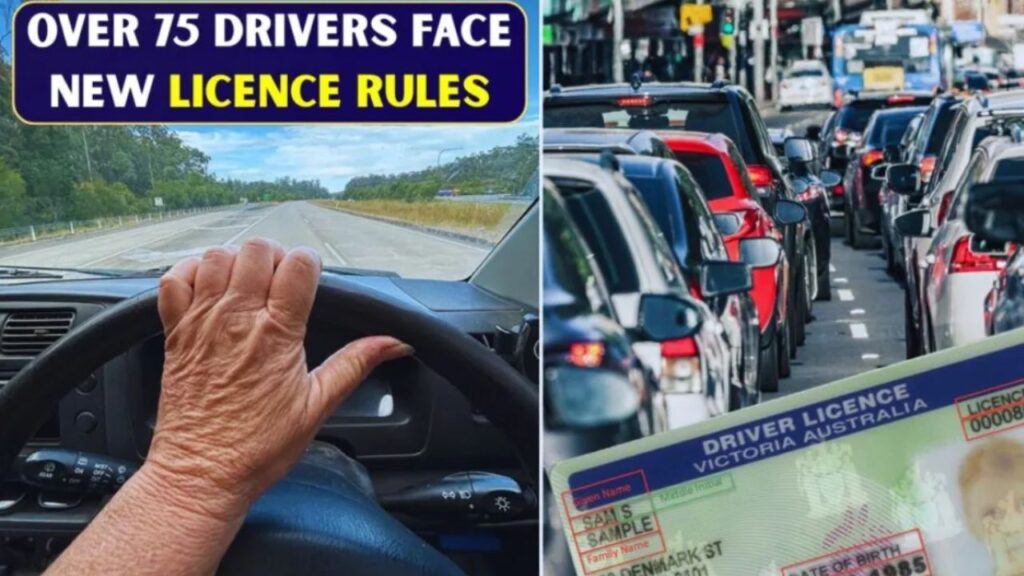
Australia’s road safety system is entering a new phase, with updated licence testing requirements now affecting drivers aged 75 and above. These changes are not about removing seniors from the road. Instead, they introduce a more structured system designed to ensure that older drivers remain capable, confident, and safe behind the wheel.
For many older Australians, driving supports independence, social connection, and daily convenience. Whether attending medical appointments, visiting family, or managing everyday errands, access to a vehicle plays a central role in maintaining quality of life. The updated 2026 rules aim to preserve that independence while strengthening safety standards across the country.

Understanding what has changed—and what drivers over 75 should do next—is essential for staying compliant and confident.
Why Licence Rules for Drivers Over 75 Are Becoming Stricter
Australia’s ageing population has led to a noticeable increase in senior drivers on the road. Many older drivers continue to drive safely for years, but natural changes in health can gradually influence driving ability.
Authorities introduced stricter rules to address several key concerns:
- Increasing road safety for all users
- Identifying health-related risks early
- Supporting seniors who remain capable drivers
- Reducing accidents linked to age-related decline
- Creating a more consistent national framework

These changes reflect a shift toward proactive monitoring rather than reactive penalties.
Instead of waiting until a serious issue occurs, the system encourages regular evaluation to maintain safe driving standards.
Key Changes Affecting Drivers Aged 75 and Above
Drivers aged 75 and older will notice several important updates when renewing or maintaining their licences. These changes focus on frequent reviews and personalized driving conditions.
More Frequent Medical Assessments

Medical reviews are now a central requirement for drivers in this age group.
These assessments typically evaluate:
- Overall physical health
- Mobility and coordination
- Vision quality
- Medication side effects
- Cognitive performance if necessary
Regular medical checks allow early identification of conditions that may affect safe driving.
Rather than acting as a barrier, these evaluations serve as safeguards designed to protect both the driver and the public.
Shorter Licence Renewal Periods
Licence validity periods for drivers over 75 are becoming shorter.
Previously, many drivers renewed licences every five years or longer. Under the updated rules, renewal periods may now range from:
- One year
- Two years
- Three years
Shorter renewal cycles provide opportunities to reassess driving fitness more frequently.
This structured approach helps ensure that any emerging health concerns are addressed quickly.
Expanded Use of Conditional Licences
Conditional licences are becoming increasingly common under the new system.
These licences allow seniors to continue driving but introduce tailored conditions based on individual needs.
Typical conditions may include:
- Driving only during daylight hours
- Avoiding major highways
- Staying within a certain distance from home
- Wearing corrective lenses
- Limiting driving during peak traffic periods
These measures extend safe driving years while minimizing potential risks.
Do Drivers Over 75 Need to Take a Driving Test?
One of the most frequently asked questions involves driving tests.
The answer is straightforward: drivers over 75 are not automatically required to complete a driving test. However, testing may be requested under certain circumstances.
Situations That May Require Additional Testing
An on-road driving test or functional assessment may be required if:
- Medical reports indicate possible concerns
- Vision results fall below required standards
- Driving history includes recent accidents
- There are repeated traffic violations
- Cognitive decline is suspected
Each driver is assessed individually.
Two drivers of the same age may face very different requirements depending on their health and driving history.
Understanding the Role of Conditional Licences
Conditional licences play a major role in the updated framework. They provide flexibility while maintaining strict safety standards.
Rather than cancelling licences outright, authorities can adjust permissions to match the driver’s abilities.
Examples of Common Conditional Restrictions
Some real-world examples include:
- Daylight-only driving for those with night vision challenges
- Local-area driving limits for drivers with slower reaction times
- Mandatory medical updates at scheduled intervals
- Use of adaptive driving aids if mobility is limited
These conditions are carefully designed to protect drivers without unnecessarily restricting their independence.
However, compliance is critical. Ignoring licence conditions can lead to serious consequences.
Consequences of Failing to Follow Licence Conditions
With stricter enforcement now in place, failing to meet licence requirements carries significant risks.
Possible consequences include:
- Financial penalties exceeding standard traffic fines
- Temporary suspension of driving privileges
- Full licence cancellation in severe cases
- Loss of insurance coverage after an accident
- Legal penalties for unlicensed driving
Insurance complications can be particularly costly. Driving outside licence conditions may invalidate coverage, creating financial exposure in the event of a collision.
This makes understanding licence details more important than ever.
Common Challenges Seniors Are Experiencing
While the updated rules aim to improve safety, many seniors are facing practical challenges during the transition.
Lack of Awareness About Updated Conditions
One of the most common issues involves unnoticed changes to licence conditions.
Some drivers assume their licence remains unchanged after renewal, only to discover new restrictions later.
Carefully reviewing updated licence details is essential.
Managing Medical Deadlines
Medical certificates often have expiry dates separate from licence renewal dates.
If these deadlines are missed, the licence may become invalid—even if renewal fees were paid on time.
Setting reminders helps prevent unexpected interruptions.
Navigating Digital Systems
Many updates and notifications are now delivered through online portals.
Drivers unfamiliar with digital platforms may struggle to track requirements or submit documentation.
Seeking assistance from family members or local support services can make this process easier.
How Drivers Over 75 Can Stay Compliant
Remaining compliant under the new rules requires organization and proactive planning.
Fortunately, the steps are manageable when approached early.
Keep Medical Appointments Up to Date
Routine health checks help identify potential concerns before renewal deadlines.
Regular monitoring supports:
- Better driving confidence
- Faster approval processes
- Reduced risk of unexpected restrictions
Consistency is key.
Maintain Clear Vision Standards
Vision changes can occur gradually and may go unnoticed.
Regular eye examinations ensure compliance with visual requirements and support safer driving performance.
Simple adjustments—such as updated lenses—can make a significant difference.
Review Licence Details After Renewal
After each renewal, carefully check all listed conditions.
Do not assume previous permissions remain unchanged.
Understanding your licence ensures compliance and prevents penalties.
Plan Ahead for Future Mobility Needs
Even when driving remains possible, it is wise to consider long-term transportation options.
Exploring alternatives early reduces stress if driving conditions change later.
The Role of Families and Support Networks
Family members often play an important role in supporting older drivers during this transition.
Helpful actions include:
- Assisting with appointment scheduling
- Reviewing licence conditions together
- Helping manage online updates
- Providing transportation backup if needed
Supportive communication helps reduce anxiety and encourages responsible decision-making.
Open discussions about driving ability should be approached respectfully and constructively.
Alternative Transport Options Worth Considering
For drivers facing increased restrictions, alternative transport solutions can provide continued independence.
These options include:
- Local public transportation systems
- Community ride services
- Private ride-booking platforms
- Volunteer driver programs
- Scheduled medical transport services
Modern mobility solutions are becoming more accessible, helping seniors maintain independence even when driving becomes limited.
Exploring these options early ensures continuity in daily routines.
A Balanced Future for Senior Drivers
The updated licence testing rules for drivers aged 75 and above reflect a broader commitment to safety, independence, and responsible mobility.
These changes are not designed to remove older drivers from the road. Instead, they create a system that recognizes individual capability while addressing genuine safety concerns.
With proper preparation, clear awareness, and consistent health monitoring, many seniors will continue driving confidently for years to come.
The road ahead may involve new requirements, but it also offers opportunities to maintain independence while contributing to safer roads for everyone.