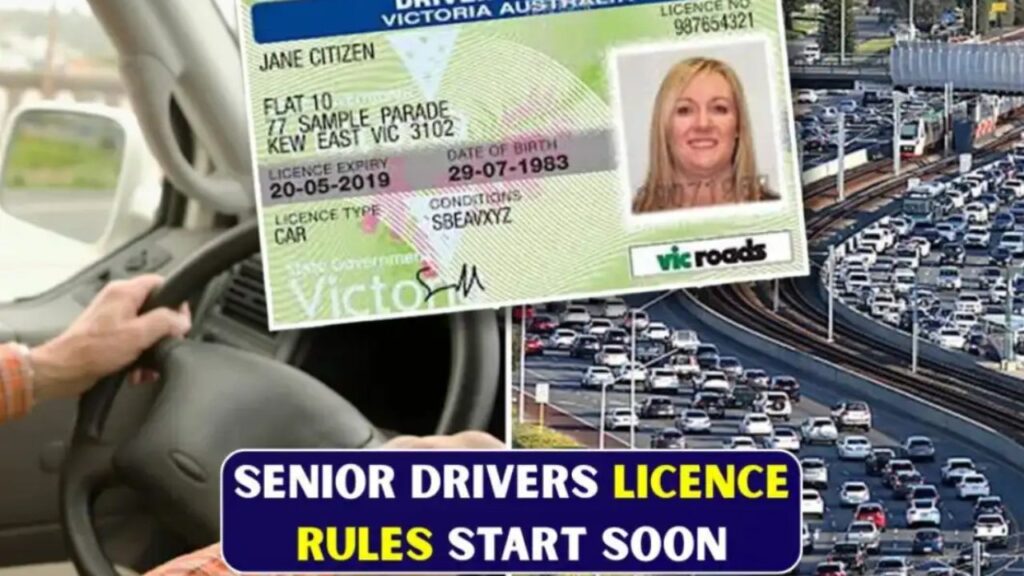
Driving represents far more than transportation for many older adults—it symbolizes independence, connection, and the ability to maintain an active lifestyle. Beginning April 7, 2026, new driving licence rules for Australians aged 70 and above introduce updated safety requirements designed to balance independence with public safety.
These changes reflect evolving road safety priorities and the growing number of older drivers across the country. While some seniors may initially feel uncertain about the adjustments, understanding the purpose and structure of the new rules can make the transition smoother and less stressful.
Why New Driving Rules for Seniors Are Being Introduced

Australia’s population is ageing at a steady pace, with more individuals remaining active well into their seventies and beyond. This demographic shift has led to an increase in the number of senior drivers on the road.
While many older drivers maintain excellent driving skills, natural age-related changes can affect reaction time, vision, coordination, and decision-making ability. These changes vary widely between individuals, making personalized assessments more effective than general restrictions.
The updated rules aim to:
- Enhance road safety for all users
- Identify potential risks early
- Support capable seniors in continuing to drive
- Reduce accidents linked to age-related limitations
- Provide structured monitoring without removing independence unnecessarily

Rather than focusing solely on age, the new system evaluates individual driving fitness.
Key Changes Starting April 7, 2026
The 2026 reforms introduce several structured requirements that affect how drivers aged 70 and above renew and maintain their licences.
These changes emphasize regular health monitoring and personalized driving permissions.
Regular Medical Assessments Become Mandatory

One of the most significant changes involves mandatory medical evaluations beginning at age 70.
These assessments typically include:
- General health review
- Mobility evaluation
- Cognitive screening (if required)
- Medication review
- Vision testing
Doctors play a central role in determining whether a driver remains fit to operate a vehicle safely.
The goal is not to restrict driving but to ensure that drivers remain physically and mentally capable.
More Frequent Licence Renewals
Under the new rules, licence renewal periods become shorter for older drivers.
Instead of renewing licences every five or ten years, seniors may need to renew every:
- One year
- Two years
- Three years
The renewal frequency depends on individual health assessments and driving history.
Shorter renewal cycles allow authorities to respond quickly to changes in health conditions.
Increased Use of Conditional Licences
Conditional licences represent one of the most important aspects of the updated framework.
Rather than cancelling licences outright, authorities may apply specific conditions that allow seniors to continue driving safely.
Common conditions include:
- Driving only during daylight hours
- Avoiding high-speed roads
- Limiting driving distance from home
- Wearing corrective lenses while driving
- Avoiding heavy traffic periods
These conditions help maintain independence while minimizing risks.
Understanding Conditional Licences in Detail
Many seniors worry that conditional licences will severely limit their freedom. In reality, these licences are designed to extend driving capability rather than eliminate it.
A conditional licence reflects individual needs rather than imposing uniform restrictions.
For example:
- A driver with mild night vision challenges may be restricted to daytime driving.
- A driver with slower reaction time may be advised to avoid highways.
- Someone with limited mobility may be restricted from long-distance travel.
These tailored conditions allow drivers to remain mobile while ensuring safety standards are met.
In many cases, conditional licences help seniors continue driving longer than they otherwise could.
How Health and Vision Testing Will Work
Health and vision testing form the backbone of the new system. These evaluations are designed to identify early warning signs that could affect driving performance.
Vision Testing Requirements
Vision plays a critical role in driving safety. Even minor visual impairments can affect depth perception, road awareness, and response time.
Typical vision tests assess:
- Visual acuity
- Peripheral vision
- Night vision capability
- Ability to recognize road signs
If corrective lenses improve vision, drivers may continue driving with minimal restrictions.
Cognitive and Reaction Assessments
Cognitive abilities influence decision-making, attention span, and response time.
Doctors may recommend additional testing if there are signs of:
- Memory decline
- Slower reaction time
- Difficulty concentrating
- Confusion in complex situations
These evaluations ensure that drivers remain capable of managing real-world driving conditions.
Comparing the New System to Previous Rules
Before 2026, licence requirements for seniors varied significantly between states. Some regions required medical assessments starting at age 75, while others had fewer structured checks.
The new system introduces greater national consistency.
Key differences include:
Before 2026
- Varied rules between states
- Medical reviews began at older ages
- Longer licence renewal periods
- Limited use of conditional licences
From April 2026
- Reviews begin at age 70
- Standardized medical assessments
- Shorter renewal periods
- Wider use of conditional licences
- Greater focus on individual ability
This updated structure reflects modern approaches to ageing and road safety.
How Seniors Can Prepare for Licence Renewal
Preparation can make the transition to the new rules far less stressful. Taking proactive steps helps ensure smooth licence renewal and continued driving eligibility.
Schedule Regular Health Checkups
Routine medical visits help identify potential concerns early.
Maintaining good health supports:
- Strong reaction times
- Better coordination
- Improved driving performance
Early awareness allows drivers to make necessary adjustments before renewal deadlines.
Keep Vision Prescriptions Updated
Outdated eyewear can affect driving safety. Regular eye examinations ensure vision remains sharp and compliant with safety requirements.
Vision correction remains one of the simplest ways to maintain driving eligibility.
Review Medications With Healthcare Providers
Some medications affect alertness, balance, or reaction time.
Discussing medication effects with a doctor helps determine whether adjustments are necessary.
Safe medication management supports safer driving.
Maintain Driving Confidence Through Practice
Staying active behind the wheel helps maintain familiarity with traffic patterns and road environments.
Drivers who remain confident are more likely to perform well during assessments.
The Emotional Impact of Licence Changes
For many seniors, driving is deeply connected to personal independence and emotional well-being.
Losing driving privileges can affect:
- Social engagement
- Access to healthcare
- Daily convenience
- Sense of autonomy
Recognizing these emotional factors is essential when discussing licence changes.
The updated system aims to reduce abrupt transitions and promote gradual adjustments instead.
Supporting Seniors Through the Transition
Families and communities play an important role in helping older drivers adapt to new requirements.
Open communication helps reduce anxiety and encourages planning.
Helpful support strategies include:
- Discussing transportation alternatives early
- Encouraging regular health monitoring
- Helping schedule medical appointments
- Exploring community transport services
Planning ahead prevents last-minute stress and supports long-term independence.
Alternative Transportation Options to Consider
If restrictions eventually limit driving ability, several alternatives can help maintain mobility.
These options include:
- Public transportation networks
- Community shuttle programs
- Ride-sharing services
- Local volunteer transport initiatives
Technology-based travel solutions are becoming more accessible, offering convenient mobility options.
These alternatives help seniors stay connected and engaged.
A Balanced Approach to Safety and Independence
The new driving licence rules beginning April 7, 2026, represent a thoughtful shift toward safer roads and personalized driver assessment.
Rather than removing driving privileges based solely on age, the updated system focuses on individual ability, health, and safety readiness.
For many seniors, the changes will feel manageable with proper preparation and understanding.
Driving remains an important part of maintaining independence, and these new measures aim to preserve that freedom for as long as possible.
With regular health monitoring, responsible driving habits, and supportive planning, older drivers can continue enjoying mobility while contributing to safer roads for everyone.